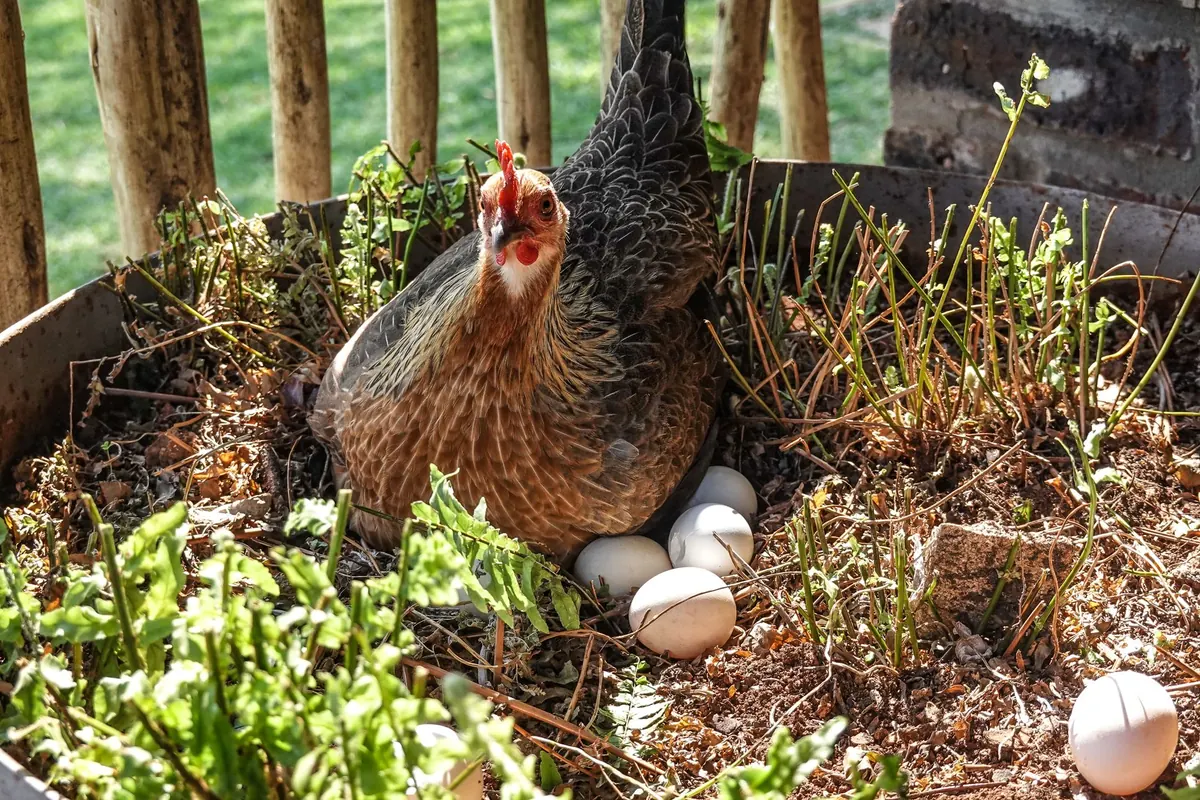
Three hens in the corner of a suburban garden will lay more eggs than a small family can eat, and they will do it in a space roughly the size of a garden shed. The hens themselves are the easy part. What catches people out is everything around them: the covenant in the deeds nobody read properly, the coop that claims to house six birds and comfortably holds two, and the fox that turns up in week three.
None of it is difficult. It simply needs sorting out before the birds arrive rather than after. Work through the following in order and you will save yourself a great deal of expense and disappointment.
Check the Rules Before You Buy Anything
Suburban gardens come with three layers of rules, and they do not always agree with each other.
- The council. Many local authorities allow a small number of hens in a domestic garden without any formal permission, but plenty have limits, and some prohibit poultry entirely on certain types of property. Ring the environmental health or planning department and ask a direct question: how many hens may I keep at this address, and are cockerels permitted? Make a note of who you spoke to and when.
- Your deeds or tenancy. Freehold deeds and leasehold agreements sometimes contain covenants banning poultry, "livestock" or anything kept for trade. Tenancy agreements often do the same. Read the paperwork before you spend money, and if you rent, ask the landlord in writing.
- Allotment rules. Keeping hens on an allotment rather than a back garden is a different arrangement again, with its own limits on bird numbers, coop design and usually a firm no to cockerels.
On that last point: you do not need a cockerel for eggs. Hens lay perfectly well without one, and a cockerel crowing at four in the morning is the single most common reason neighbours complain. Assume you are not having one unless your garden is far from other houses and your council agrees.
Rules on keeping livestock vary by area and by property. Check with your council, your landlord or a qualified adviser before you commit.
Space: The Numbers That Actually Matter
Ignore the label on the coop. A run and house described as suitable for "six to eight hens" is usually cramped for three. Use these figures instead, and treat them as minimums rather than targets.
- Perch space: roughly 20–25cm per bird, so every hen can roost without touching the next one. Crowded perches cause squabbling and feather damage.
- Coop floor: allow about 30cm by 30cm per hen for sleeping, and more if they will be shut in during wet or frosty mornings.
- Run: at least one square metre per hen for a permanently enclosed run. Two square metres per bird is far better. If the hens free range in a secure garden for a few hours each day, a smaller covered run is workable.
- Nest boxes: one between every three or four hens. They will all queue for the same one regardless.
- Height: raise the coop 40–50cm off the ground if you can. It gives the birds shade and shelter underneath, keeps the floor dry and makes cleaning easier on your back.
Three hens is a sensible start. Adding new birds later is genuinely tricky — the pecking order has to be renegotiated and introductions can take weeks — so buy the number you actually want first time. Point-of-lay hybrids lay heavily and reliably; pure breeds tend to lay fewer but for longer, and often live longer too.
Fox-Proofing Is Not Optional
Urban foxes climb, dig and squeeze through gaps you would not believe. They also learn routines. A hen house that feels secure in September can be opened like a tin in November, so build as though a fox is testing it tonight.
- Use weld mesh — around 16 gauge with 25mm holes — not chicken wire. Foxes tear chicken wire apart.
- Cover the run. A 1.2m fence stops nothing; foxes clear two metres easily.
- Prevent digging with a mesh apron pegged flat to the ground around the perimeter, extending at least 30cm outwards and covered with soil or gravel. Burying mesh 30–45cm deep also works.
- Secure the latches. Sliding bolts can be nudged open; use spring-loaded bolts, carabiners or a small padlock, and check loose panels.
- Shut the pop hole every single night, without exception. Automatic door closers are useful, but test them weekly and never treat them as the only defence.
Rats deserve a mention too. They are drawn by spilt pellets and a warm, dry house. Use a hanging feeder rather than scattering food on the ground, sweep up spillages, and keep feed in a metal bin with a tight lid.
The Daily Routine
Day to day, hens take about ten minutes. Mornings: let them out, check the drinker, top up the feeder, say good morning. Evenings: count heads, collect eggs, shut them in. That headcount matters more than it sounds — a hen shut out overnight is a hen you will not see again.
Once a week, set aside twenty minutes to rake out the run, replace soiled bedding, scrub and refill the drinkers, and check the coop for red mite. Run a fingertip along the underside of the perch and into the corners of the nest box; red mite live in the structure of the coop rather than on the birds, and they multiply fast in warm weather. A monthly deep clean with a poultry-safe disinfectant, followed by a thorough dry-out, prevents most of the damp-related respiratory problems that send backyard hens to the vet.
Feeding, Health and Finding a Vet
Feed a complete layers' pellet as the main diet, keep fresh water available at all times, and offer grit and crushed oyster shell separately. Treats — greens, a little corn, a few mealworms — should stay a small part of the diet. Be aware that there are restrictions on feeding kitchen waste to poultry in the UK, so check current government guidance before you start offering scraps.
Learn what normal looks like: bright eyes, a red comb, an upright stance, a keen interest in food. A hen that sits hunched, goes off her feed or has a pale comb is telling you something. Common issues include red mite in the coop, scaly leg mite, lice, and foot problems from damp bedding.
Before you need one, find a vet who will treat poultry — plenty of small animal practices will not, and ringing round in an emergency is miserable. For anything that looks like illness, speak to a vet rather than relying on internet remedies.
Keeping the Neighbours Onside
Tell the neighbours before the coop arrives, not after. Position it away from shared boundaries and bedroom windows where you can. Hens are mostly quiet, but the egg-laying announcement can carry, and a broody or unusually noisy bird may need rehoming. Keep the run dry and the flies down, never leave spilt feed lying about, and do not keep a cockerel. A box of eggs once in a while does more for goodwill than any amount of apology.
Start Small and Set It Up Properly
Do the awkward jobs first, then buy birds:
- Confirm the rules with your council, your deeds and your landlord.
- Find a poultry-friendly vet and save the number.
- Fox-proof the run, then test it as a fox would — push, pull, dig, look for gaps.
- Buy the largest coop and run your space and budget allow, not the smallest you think you can get away with.
- Start with three point-of-lay hybrids or rescue hens, and let them settle before you think about adding more.
Get the setup right and hens become the least demanding animals in the garden: a short routine, a steady supply of eggs, and a corner of the lawn that suddenly has a purpose. Get it wrong and you will be rebuilding the run at midnight with a torch. The preparation is the whole job.
Photo: Magda Ehlers / Pexels