Most low-maintenance gardens are not the result of clever planting tricks. They are simply gardens where someone does a small job before it turns into a big one. Twenty minutes with the right tool in the right month saves hours later, and the plants respond better for it. What follows is a working checklist for a British garden, season by season — the pruning, sowing, mowing and pest checks that genuinely matter.
Spring: Sowing, Weeding and the First Cut
Growth creeps along through March, then suddenly races. Staying slightly ahead of it is the whole game. Tidy the borders while the soil is workable, mulch after weeding, and you will halve your summer watering.
- Lawn: start mowing when growth begins, keeping the blade high for the first few cuts. Lower it gradually rather than scalping the grass in one pass.
- Sowing: hardy annuals such as calendula, cornflower and nigella can be sown straight where they are to flower. Thin the seedlings — crowded plants are weak plants.
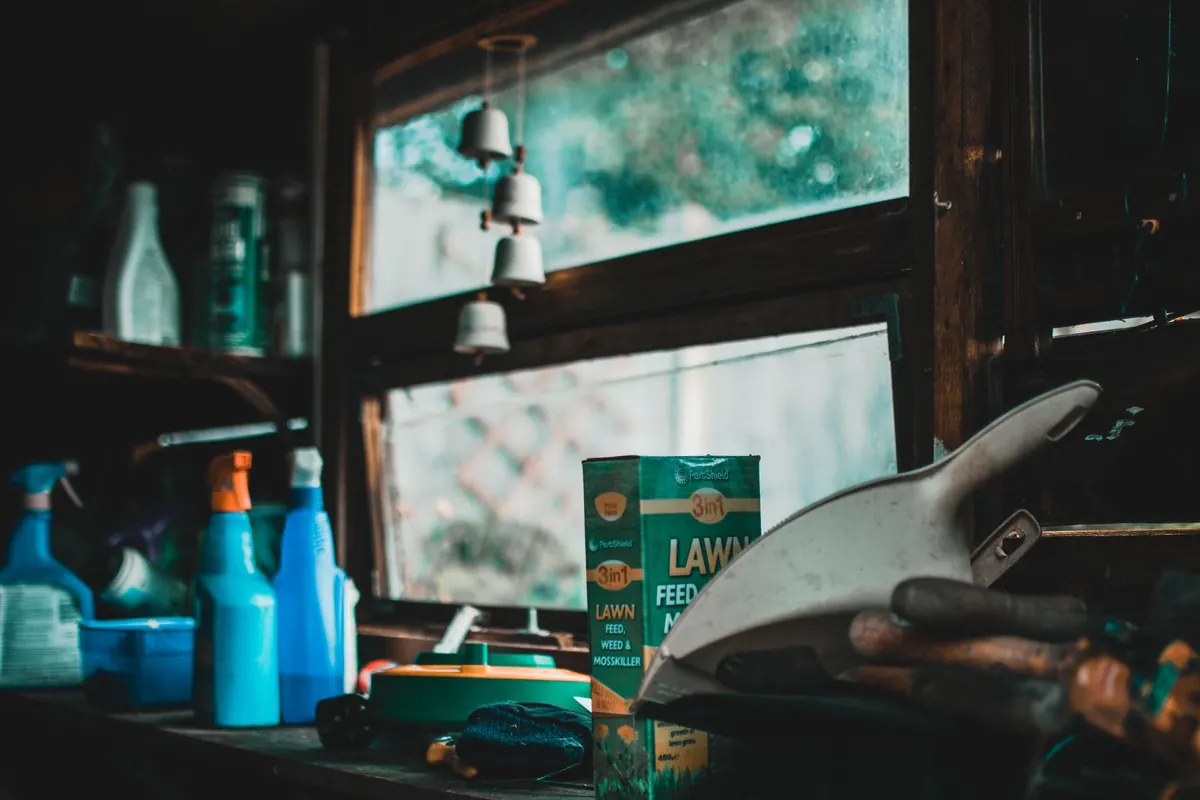
- Feeding: scatter a general-purpose fertiliser around borders and containers, then water it in if rain does not follow.
- Pests: watch new shoots for aphids and check hostas and young seedlings for slug damage after rain.
Spring is also the moment for the pruning rule that confuses most people. Shrubs that flower on last year's wood — forsythia, flowering currant, deutzia — should be cut back straight after flowering, not in autumn. Anything you are unsure about, leave for a year and watch when it flowers. You will learn more from that than from any book.
Check before you cut a hedge
Hedges are cut in spring and summer, but birds nest in them from March onwards. Look closely before starting the trimmer, and if there is an active nest, wait. It is worth the delay.
Early Summer: Watering, Tying In and Pest Patrol
By June the garden wants attention in the evenings rather than the afternoons. Water deeply and less often, aiming at the roots rather than the leaves, and do it early in the morning or after dusk to cut evaporation. A two-inch layer of compost or bark mulch around perennials will do more for you than any hose.
Pest checks become worthwhile now. Turn the leaves of roses and greenhouse plants for aphids and red spider mite, look for the distinctive red bodies of lily beetles, and check containers for vine weevil grubs when you repot. Most problems are manageable if caught at this stage — a strong jet of water dislodges aphids, and a nightly slug patrol with a torch is unbeatable.
Tie in climbers as they grow rather than waiting for the tangle in August, and deadhead roses and annuals weekly to keep flowers coming. Cutting a few stems for the house does the same job.
Late Summer: Deadheading and Hedge Trimming
August is the month for wisteria. Cut back the long whippy growth to about five or six buds from the main framework, and repeat in midwinter. Skip that summer prune and you will lose flowers next spring.
Keep deadheading dahlias, cosmos and roses. Leave faded flowerheads on sedums, echinacea and teasels for the birds and for winter structure. In dry spells, raise the mower blade a notch; longer grass shades its own roots and copes far better with heat.
If your lawn is thin or mossy, late August into September is the best window for the annual overhaul:
- Scarify to remove thatch and moss.
- Aerate by spiking the surface, especially where feet compact it.
- Top-dress with a sandy loam, working it into the holes.
- Overseed the bare patches and keep them damp for a fortnight.
Autumn: The Best Planting Window of the Year
Soil is still warm, rain is reliable, and roots establish before winter. Bare-root trees, hedging and roses planted now settle in faster than anything planted in spring, and they need far less watering.
- Bulbs: daffodils and crocus in September, tulips as late as November. Plant at roughly three times the bulb's own depth.
- Perennials: lift and divide crowded clumps while the ground is soft.
- Leaves: sweep them off the lawn and into a bin bag or compost heap — free leafmould by next autumn.
- Lawn: switch to an autumn feed, low in nitrogen, and stop mowing once growth slows.
Leave seedheads and hollow stems standing until spring. They look good in frost, and they are winter accommodation for insects.
Winter: Pruning, Tool Care and Planning
The dormant months are for structural work. Prune apples, pears, roses and blackcurrants now, along with wisteria for the second time. Leave plums, cherries and other stone fruits alone until summer — winter pruning of these invites silver leaf.
Sharpen and oil your tools, clean pots, and check stored dahlia tubers and cannas for rot, discarding any that are soft. Order seeds and bulbs while the catalogues are fresh. It is also the kindest time for hard landscaping: laying a path or building a raised bed now means it is ready for spring planting.
Keeping the Garden Low-Maintenance All Year
Two jobs consume more time than any others: mowing and hedge trimming. Simplify both. Straight lawn edges are quicker to cut than curves, and one well-chosen hedge is far less work than four different boundaries.
Then build a few habits around them. Spend twenty minutes once a week rather than a whole Saturday twice a season. Weed before weeds set seed. Mulch every spring. Plant densely, because bare soil grows weeds. Keep a small notebook of what you pruned and when, and adjust next year.
Accept a little untidiness, too. A corner left long, a pile of logs, seedheads standing through the winter — these are not neglect, they are habitat, and they save you work. For anything taller than you are comfortable handling, especially near buildings or overhead cables, bring in a qualified tree surgeon rather than improvising from a ladder.
Photo: Lisa Fotios / Pexels